Chất lượng , phục vụ tốt . thích hợp cho gia đình, đội nhóm
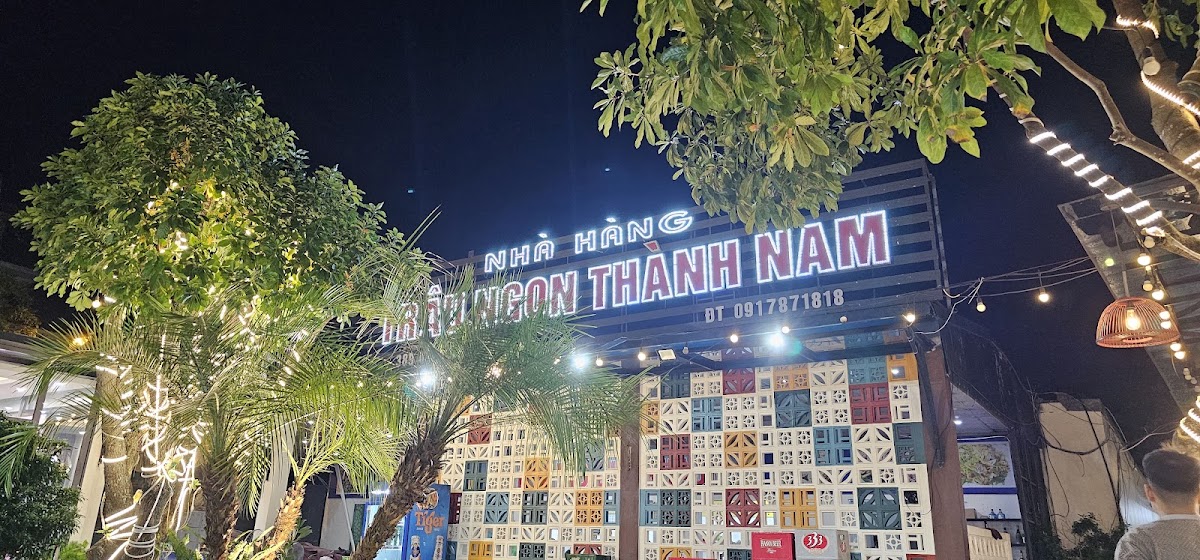
Overview
Walking into Nhà Hàng Trâu Ngon Thành Nam for the first time felt less like visiting a restaurant and more like being welcomed into a busy family kitchen in northern Vietnam. I stopped by on a rainy evening while traveling through Nam Định, guided by a local friend who insisted this place was where you truly understand regional buffalo cuisine. The location at 389 Võ Nguyên Giáp, Quang Trung, Nam Định is easy to spot, always lively, and usually filled with the sound of clinking glasses and animated conversation.
The menu focuses on water buffalo, a protein deeply rooted in Red River Delta food culture. Buffalo meat is leaner than beef, with research from the Food and Agriculture Organization noting it contains less fat and cholesterol while still being rich in iron and protein. That balance shows up on the plate. Dishes arrive flavorful but never heavy, which explains why many diners here span different generations, from students to older locals who have been eating buffalo their whole lives.
One of the first things I tried was slow-cooked buffalo hotpot, a dish that takes patience and precision. The staff explained how the bones are simmered for hours to extract natural sweetness before thin slices of meat are added tableside. Watching the meat change color in seconds was part of the experience, and the texture stayed tender without losing that distinct, slightly gamey flavor. This method reflects traditional cooking practices documented by Vietnamese culinary researchers at the Vietnam National Institute of Nutrition, who often highlight slow cooking as key to preserving nutrients.
Another standout was grilled buffalo wrapped in betel leaves, smoky on the outside and juicy inside. I noticed the kitchen uses charcoal grilling rather than gas, which adds depth without overpowering the meat. That choice matters, especially with lean proteins that can dry out easily. From a professional standpoint, it shows an understanding of heat control that many casual diners might overlook but chefs respect.
Service here feels natural and unforced. On my second visit, a server remembered I preferred less salt and recommended a stir-fried buffalo dish with lemongrass and chili adjusted to my taste. Moments like that build trust, and they explain why online reviews consistently mention friendly staff and reliable quality rather than flashy presentation.
What also stands out is transparency. When asked where the buffalo comes from, the staff openly shared that they work with nearby farms in Nam Định province. Local sourcing reduces transport time and helps maintain freshness, something supported by multiple food safety studies from organizations like the World Health Organization, which link shorter supply chains to lower contamination risks.
Of course, no place is perfect. During peak dinner hours, waiting times can stretch, especially on weekends. Seating is simple, and those expecting a quiet, upscale atmosphere might find it too lively. Still, those limitations feel minor compared to the authenticity on offer.
Regulars often say this is where out-of-town guests are brought when they want something real, not polished for tourists. Judging by the packed tables, shared dishes, and steady stream of repeat customers, that reputation feels earned. The combination of traditional techniques, thoughtful sourcing, and genuine hospitality makes this restaurant more than just another stop for dinner-it becomes a reference point for buffalo cuisine in the region.
From the menu variety to the consistently strong reviews, this spot holds its place as a reliable dining location for anyone curious about northern Vietnamese flavors, especially those willing to step beyond familiar beef and pork and explore something deeply local.
Good to know
Service options
✓ Outdoor seating ✓ Takeaway ✓ Dine-inHighlights
✓ Great beer selection ✓ Great wine listPopular for
✓ Lunch ✓ DinnerAccessibility
✓ Wheelchair-accessible toilet ✓ Wheelchair-accessible entranceOfferings
✓ Alcohol ✓ Beer ✓ Small plates ✓ Spirits ✓ WineDining options
✓ Lunch ✓ Dinner ✓ Catering ✓ Dessert ✓ Seating ✓ Table serviceAmenities
✓ ToiletAtmosphere
✓ Casual ✓ CosyCrowd
✓ Family friendly ✓ Groups ✓ TouristsPlanning
✓ Dinner reservations recommended ✓ Accepts reservationsParking
✓ Free of charge street parking ✓ Free parking lotPhotos
1 / 4
Location
Reviews
- No ratings yet 143 reviews
Món ăn rất ngon, không gian thoáng mát, phục vụ chu đáo, giá thành rất hợp lý
Nhà hàng không gian thoáng mát và rộng rãi. Các món ăn được chăm chút chi tiết vào thịt Trâu mang phong cách rất riêng kiểu Nam Định
Đồ ăn ngon đa dạng . Nhân viên vui vẻ nhanh nhẹn, không gian đẹp thoáng đãng